
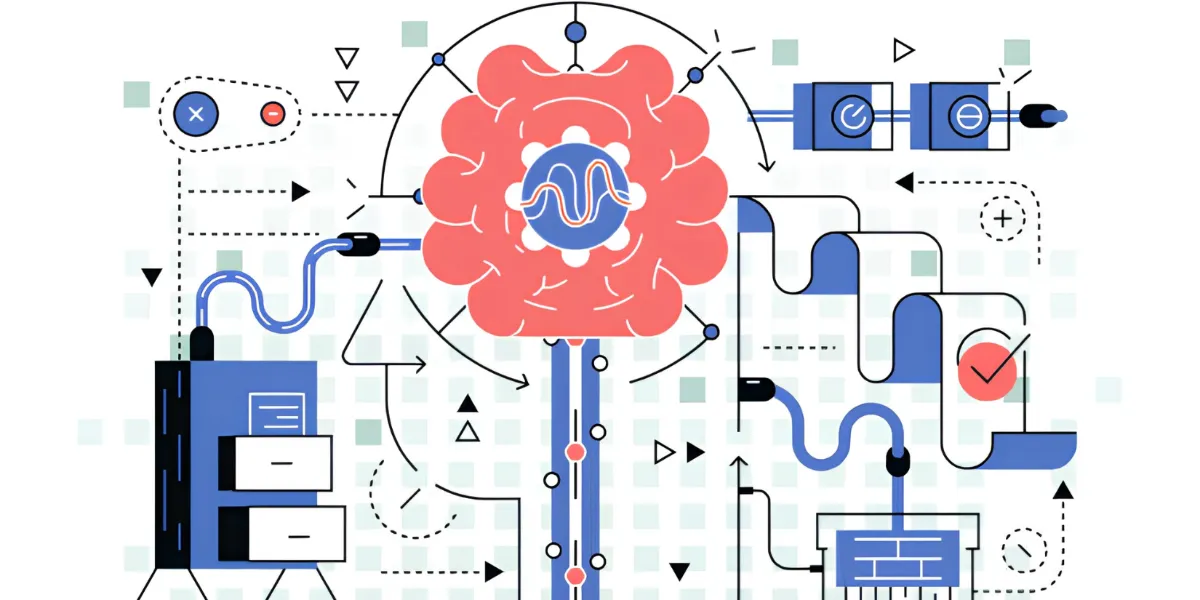
Most days involve a steady mix of writing, planning, looking things up, and keeping track of what needs doing. Neurobuff is an AI productivity platform built to sit alongside that work rather than take it over. It gathers several assistive features into one place, so the small tasks that surround a project become quicker to handle.
This article describes how Neurobuff is put together and where its features come into play. The aim is a plain account of the platform, so you can weigh whether it matches the way you already organize a working day. Neurobuff supports your decisions rather than making them for you, and that role shapes how each feature is designed.
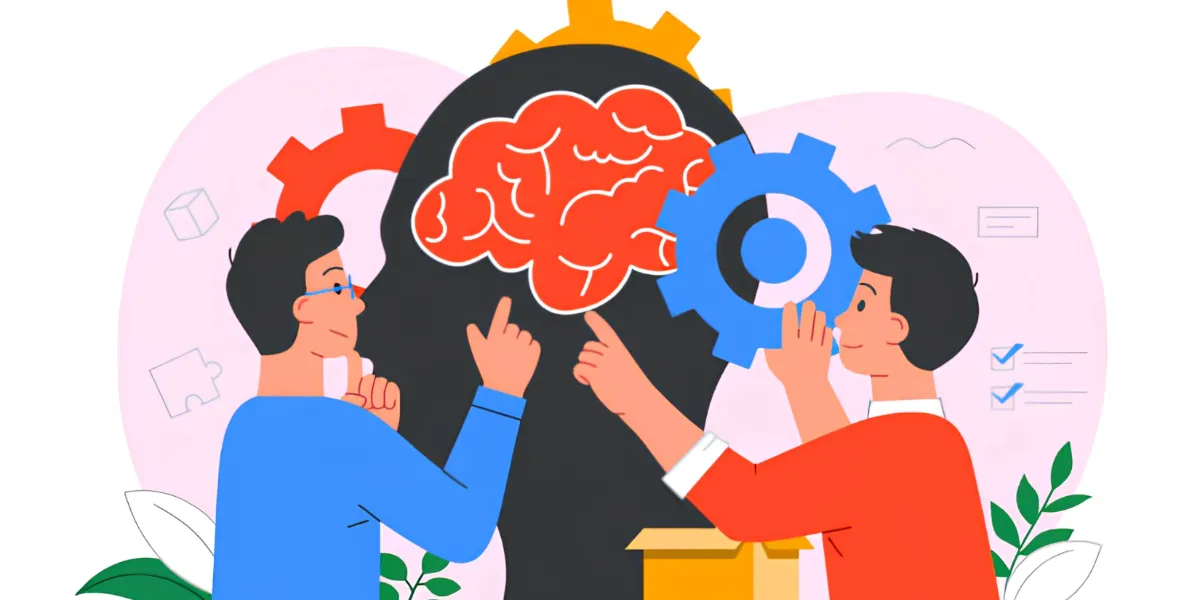
Neurobuff supports your decisions rather than making them for you, and that role shapes how each feature is designed.
Where AI Assistance Actually Helps
A useful way to think about an AI tool is to look at which parts of the day it can lighten. Neurobuff focuses on the recurring, time-consuming steps that tend to sit between the work that needs real judgment. Writing assistance is one part of this. When you are drafting a note, an email, or a longer piece, the platform can help you shape a first version, tidy phrasing, or move from a rough idea to readable text.
Brainstorming support works in a similar spirit: you can talk through options, generate angles on a topic, and see possibilities laid out before you settle on a direction. Research support helps you gather and condense information, so you spend less time sorting through material and more time deciding what to do with it. None of these steps remove your input. The platform offers a starting point or a draft, and you keep the final call on what stays, what changes, and what gets discarded.
Keeping Ideas and Notes in Order
Ideas tend to arrive at inconvenient moments, and loose notes scatter easily across apps and documents. Neurobuff includes idea organization features that give those fragments a single home. You can collect thoughts, group related items, and return to them later without hunting through separate places.
That organization pairs naturally with the writing and research tools. A note captured during a brainstorming session can feed into a draft later on, and a summary pulled together during research can sit beside the ideas it relates to. Because these pieces live in one platform, the connections between them stay visible instead of getting lost across different windows.
Managing the Flow of a Working Day
Beyond individual tasks, Neurobuff offers workflow management to help the pieces of a day hold together. This is less about any single action and more about consistency across many of them. When drafting, planning, research, and note-keeping all draw from the same platform, the switching cost between them drops, and it becomes easier to keep a steady rhythm.
Workflow management here means having a clear view of what you are working on and a predictable way to move between tasks. The platform aims to reduce the friction of jumping from one tool to the next, which is often where attention slips. By keeping the routine parts of a project in one connected space, it supports a more even pace through the day.
Human judgment remains at the center of the work, with the AI handling the repetitive groundwork around it.
How Neurobuff Sits Alongside Your Existing Routine
A common concern with any new tool is whether it will force a change in how you already work. Neurobuff is designed to complement an existing routine rather than replace it. If you already plan your day a certain way, the platform slots in as a set of assistive features rather than a new system you have to adopt wholesale.
The practical effect is that you decide how much to lean on it. Some people may use Neurobuff mainly for writing help, others for organizing ideas or condensing research, and others for keeping a broader workflow tidy. The features are there to draw on as needed, and the platform stays in a supporting position. Human judgment remains at the center of the work, with the AI handling the repetitive groundwork around it.
Deciding Whether Neurobuff Suits You
There is no single tool that fits every way of working, so it helps to weigh a platform against your own habits. A few questions can guide that review. Do you spend a lot of time drafting text that a writing assistant could speed up? Do your ideas tend to scatter, so idea organization would help? Does your research involve gathering and condensing large amounts of material? Would a steadier workflow across tasks make your day feel more manageable?
If several of those points match your routine, Neurobuff is worth looking at directly. It brings AI-assisted writing, brainstorming, research support, idea organization, and workflow management into one platform, all positioned to support the way you already work rather than reshape it.
If an AI productivity platform that supports writing, brainstorming, research, and workflow management fits how you like to work, you can look at Neurobuff for yourself. Take a closer look at how these features fit into your existing routine.